
How to Get Landing Permits in India in Under 24 Hours: Expert Flight Supervision Guide
If your aircraft is scheduled to land in India tomorrow and you’re facing the typical 72‑hour landing permit timeline, you’re probably experiencing one of aviation’s most stressful scenarios. But landing permits in India can be approved in under 24 hours if you follow the right process and work with the right partners. This guide explains exactly how Aileron Air helps operators fast‑track permits and turn potential operational crises into seamless clearances.
The difference between a grounded aircraft and a successful operation often comes down to one thing: knowing how the system works and who to contact when time is against you. This comprehensive guide walks through every strategy aviation professionals use to achieve expedited landing permits in India, from documentation to direct coordination with regulators.
Understanding India’s Landing Permit System
India’s airspace is one of the world’s more tightly regulated, and the Directorate General of Civil Aviation (DGCA) requires all non‑Indian registered aircraft to obtain landing permits before arriving at any Indian airport. This is a mandatory regulatory requirement enforced in coordination with the Ministry of Civil Aviation, Ministry of Defence, and security agencies.

A landing permit is an official authorization issued by DGCA that grants a specific foreign‑registered aircraft permission to land at a designated Indian airport on a specific date/time. It confirms airworthiness, insurance, operator legitimacy, security clearance, and the declared purpose of flight.
Typical permit types relevant to foreign operators include:
- Landing permits – for aircraft intending to land at Indian airports
- Overflight permits – for aircraft crossing Indian FIR without landing
- Temporary landing permits (TLPs) – for emergency/unscheduled landings in medical, technical or weather situations
Operating without a valid permit can lead to aircraft detention, fines, and long‑term difficulties obtaining future clearances. Compliance is non‑negotiable for any operator planning to enter Indian airspace.
The Standard Landing Permit Process – And Why 72 Hours Isn’t Fast Enough
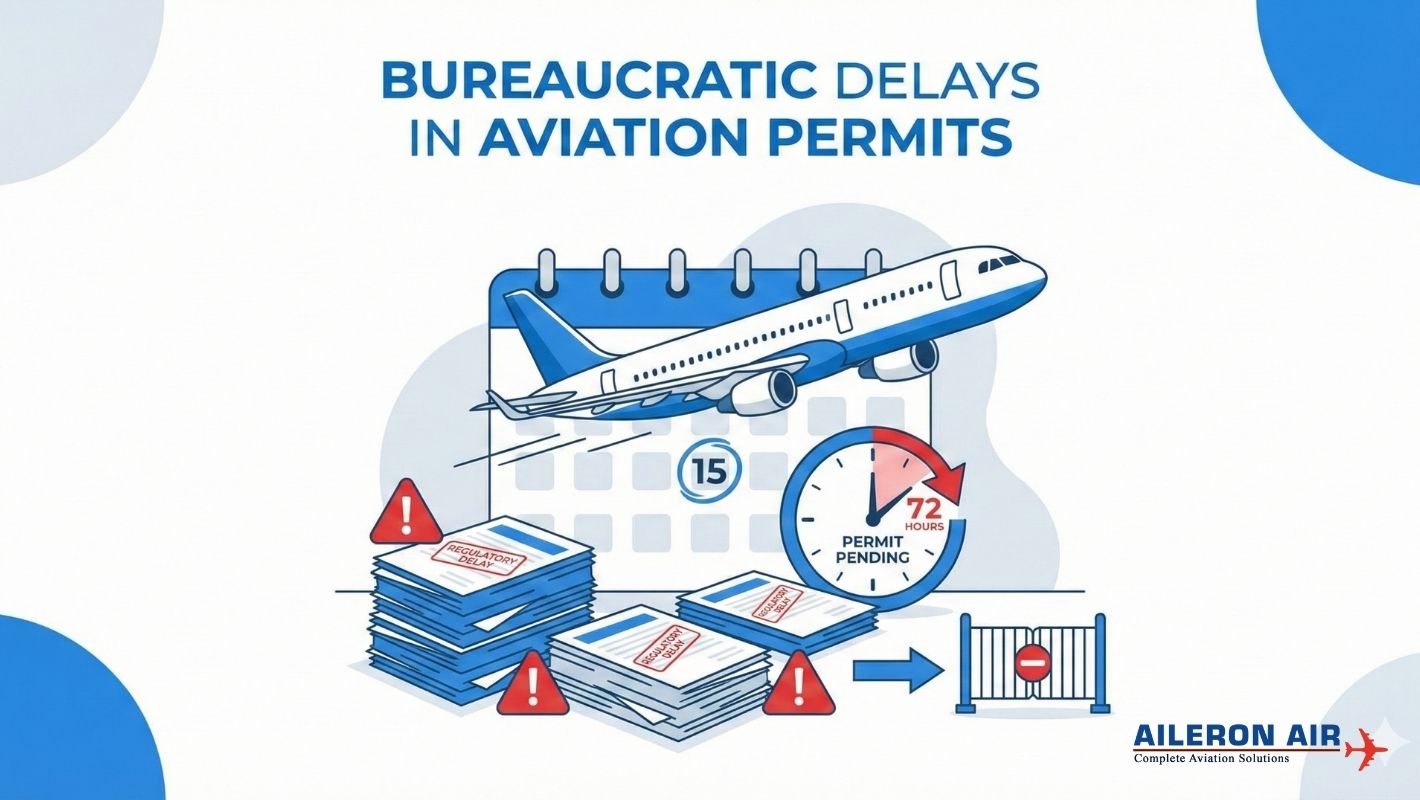
Officially, landing permits for most non‑scheduled operations are processed on a “three working day” timeline, and many handlers advise filing at least 72 hours before the intended operation. Applications submitted to DGCA are routed through multiple agencies:
- DGCA – operational and safety review
- Ministry of Civil Aviation – policy and coordination
- Defence and security agencies – security and route vetting
- Immigration/Home – entry and passenger considerations
Typical documentation required
A standard application package usually includes:
- Aircraft registration and airworthiness certificates
- Detailed flight schedule and route (with origin, destination, alternates)
- Flight plan information and ETDs/ETAs
- Crew list with passport and license details
- Insurance certificate meeting DGCA thresholds
- Operator AOC or non‑scheduled operator permit (if applicable)
- Passenger manifest or passenger count and purpose of trip
Common rejection triggers
Even small errors can cause a rejection and force a full resubmission, effectively restarting the 72‑hour clock. Frequent issues include:
- Incorrect aircraft registration format vs. official registry
- Mismatched crew names between passports and crew list
- Expired or insufficient insurance coverage
- Missing clearances for sensitive or military airports
- Vague or incomplete description of flight purpose
Where the standard timeline fails
A 72‑hour processing window may work for long‑planned trips, but it fails in scenarios like:
- Medical evacuation flights
- Last‑minute charter bookings for high‑value clients
- Diplomatic/VIP movements with tight political timelines
- Technical emergencies requiring diversion into India
For these situations, operators need a structured 24‑hour fast‑track approach rather than the default 3‑day cycle.
The 24‑Hour Fast‑Track Process: How Approvals Can Be Expedited
Achieving a landing permit in under 24 hours is possible when three elements come together: perfect documentation, strategic timing, and professional coordination with DGCA.

Perfect documentation is non‑negotiable
The biggest barrier to fast approvals is incomplete or inaccurate documentation. A single missing page or typo can push an urgent request back into a 72‑hour cycle.
At minimum, verify:
- Aircraft registration: Identical to registry (no extra dashes/spaces).
- Flight schedule and route: Exact times, routing, and alternates clearly stated.
- Crew details: Full names as per passports, license numbers, medical validity.
- Insurance: Current policy showing required third‑party liability limits for India.
- Purpose of flight: Clear and specific (e.g., “air ambulance,” “business charter,” “technical diversion”).
A professional handler will typically run a line‑by‑line pre‑check on these documents to avoid DGCA queries that burn precious hours.
Aligning with DGCA processing windows
DGCA only processes permit applications during working hours, and flight support providers advise aligning submissions with these internal windows for faster turnaround. In practice, this means:
- Submitting complete applications as close as possible to the start of DGCA’s working day in India
- Avoiding submissions late in the day or just before weekends/public holidays, which can add 24–48 hours of delay
A well‑timed, complete application on a normal working day has far higher chances of being turned around within one business day for non‑complex cases.
Using an experienced DGCA liaison or local flight support provider
Local expertise and relationships are crucial for turning a formal 72‑hour guideline into a practical 12–24‑hour reality for non‑routine cases. An experienced Indian flight support provider or supervision company can:
- Pre‑screen documents for DGCA compliance
- Submit directly through established channels
- Clarify questions with DGCA officers in real time rather than via slow email loops
- Coordinate with airports and other agencies in parallel
This real‑time problem solving is often the difference between “pending for clarification” and “cleared within hours.”
Emergency & urgent case treatment
DGCA and the Ministry of Civil Aviation have the ability to prioritise certain flights, especially:
- Air ambulance/medical evacuations
- Humanitarian/disaster relief missions
- Technical emergencies requiring an unscheduled landing
- Certain diplomatic/VIP flights with government backing
When properly documented and routed through the correct channels, genuine emergency and humanitarian requests can be processed on a same‑day basis.
Managing validity and last‑minute changes
Landing permits are generally issued for a specific date/time window, and many sources note that operational changes beyond a defined validity period require revalidation or a fresh request. For urgent operations, planning buffers and having a handler on standby to request quick revisions (time changes, date shifts, airport changes) is essential to avoid slipping back into full reprocessing.[]
Your 24‑Hour Landing Permit Checklist
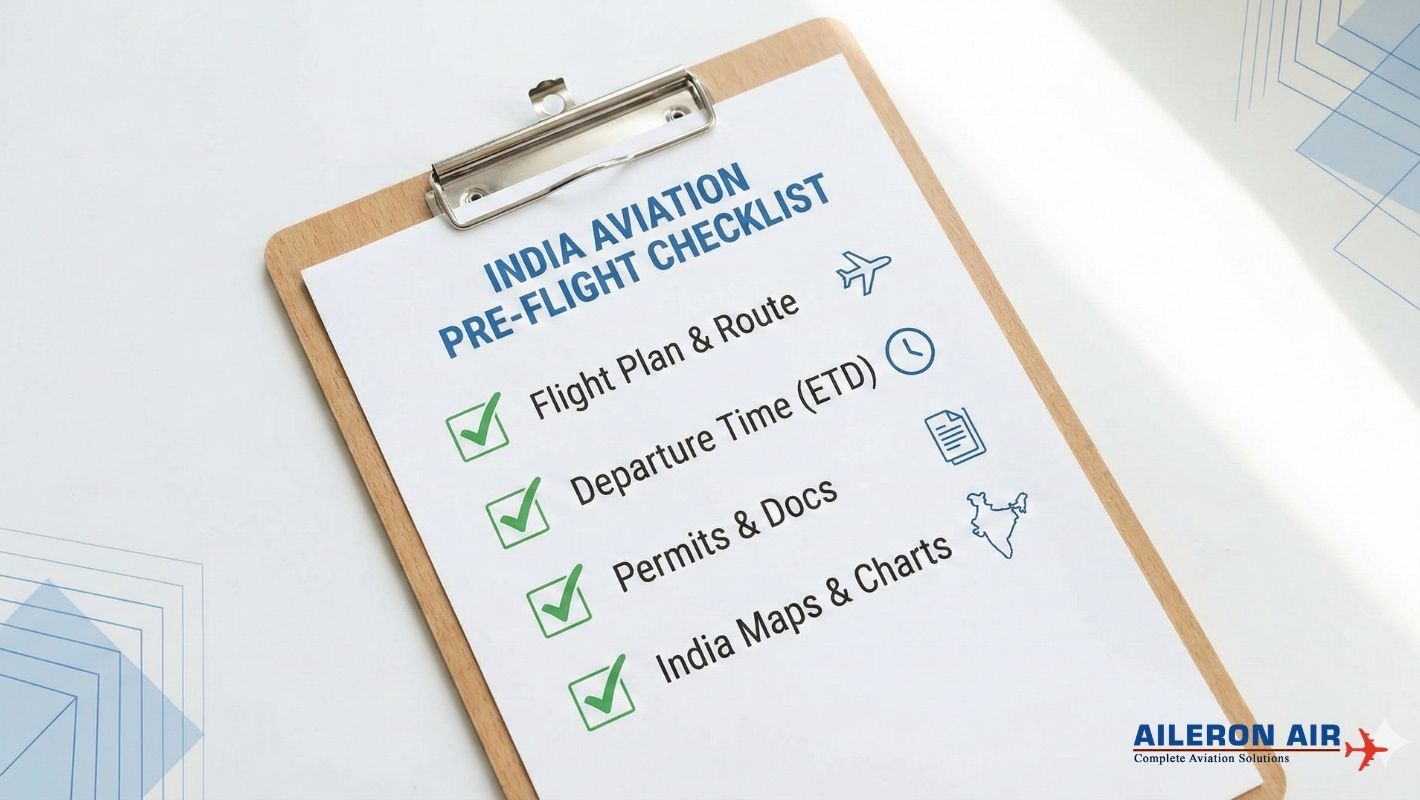
Use this checklist as a working template when you need an Indian landing permit on a compressed timeline.
24–48 hours before ETA: preparation
- Verify aircraft registration and airworthiness certificates are current.
- Confirm crew passports, licenses, and medicals are valid for the full rotation.
- Confirm insurance coverage meets Indian requirements and is valid on the date of operation.
- Lock in flight schedule (origin, destination, alternates, ETD/ETA, route).
- Confirm whether the destination or alternate is a civil or defence airport.
- Pre‑coordinate with the destination airport for slots/parking if required.
- Identify if the flight may qualify as medical, humanitarian, or other priority category.
12–24 hours before ETA: submission
- Send the full documentation package to your Indian flight support partner.
- Fix any gaps or inconsistencies flagged during pre‑screening immediately.
- Ensure the permit request is filed during DGCA working hours in India.
- Get written confirmation of submission and a clear escalation contact.
6–12 hours before ETD: follow‑up
- Have your handler follow up proactively with DGCA to address any questions.
- Confirm when the permit is approved and obtain the written copy.
- Check all details on the permit (tail, route, dates, times, airports) are correct.
- File the flight plan with the permit reference as required.
Before departure & upon arrival
- Ensure a copy of the permit is with the crew (digital and/or printed).
- Confirm the crew understands the validity window and any conditions.
- Coordinate with the airport and handler for arrival procedures, immigration, and ground handling.
Common 24‑Hour Fast‑Track Mistakes to Avoid

When the clock is ticking, small mistakes can destroy your timeline.
- Submitting incomplete documentation
DGCA will not “hold your place in the queue” while you find missing documents. An incomplete submission simply delays the point at which a complete request is actually received. - Last‑minute changes to schedule or route
Major changes in routing, airport, or timings often force permit revisions or re‑approval, which may not be possible in the same 24‑hour window. - Ignoring weekends and Indian public holidays
DGCA observes Indian working days and holidays; submitting on a Friday afternoon before a long weekend can push approvals into the following week. - Underestimating sensitive or military airports
Some military or joint‑use airports require separate defence clearances that take much longer than normal civil stations. Using a civil alternates strategy is often essential for tight timelines. - DIY approach on high‑risk missions
Trying to self‑manage a critical medical, VIP or first‑time operation into India without a local expert often results in costly delays or outright refusal.
When to Call a Professional Flight Support Partner

Some scenarios are high‑risk if you attempt them without experienced local support:
- Air ambulance and medical evacuations – complex documentation plus time pressure
- Heads of state / VIP / diplomatic missions – multiple ministries and security agencies involved
- Short‑notice charters (<72 hours) – especially first‑time operators into India
- Operations to or via sensitive or defence airports – separate military channels and clearance queues
- Irregular operations or diversions – ad‑hoc approvals where experience matters most
A seasoned Indian trip support provider or supervision company adds value by:
- Pre‑cleaning documentation to DGCA standards
- Using the right contact points and channels for each permit type
- Coordinating between airport, handler, DGCA, defence and other stakeholders
- Escalating issues quickly when timing is critical
Often, the cost of professional coordination is a fraction of the revenue and reputational risk tied to a delayed or cancelled mission.
FAQ: Fast‑Track Landing Permits in India

Q1. Is it really possible to get a landing permit for India in under 24 hours
Yes, in specific circumstances and with correct handling. Urgent commercial, medical, humanitarian and some diplomatic operations can be turned around within a working day when documents are perfect, timings align with DGCA hours, and an experienced local partner manages the process.
Q2. What’s the standard lead time I should plan for?
Most sources recommend a minimum of three working days for non‑scheduled operations, and longer for certain categories or sensitive routes. Where possible, 5–7 days gives more flexibility.
Q3. Are overflight permits faster than landing permits?
Overflight permits generally involve fewer operational variables and may be approved on shorter notice than full landing clearances in some cases. For combined overflight + landing operations, the longer requirement usually governs.
Q4. Do emergency medical flights get priority?
Properly documented medical and air‑ambulance flights can be prioritized and processed on an expedited basis, especially when coordinated through experienced providers and supported by hospital/medical documentation.
Q5. Are there special rules for certain origin/destination countries?
Some regions and routings may trigger enhanced scrutiny and longer lead times, and operators should check current requirements with a local specialist, especially when dealing with defence‑sensitive or politically complex routes.
Q6. What happens if my flight time changes after the permit is issued?
Minor time adjustments within the validity window are often manageable through quick revisions, but significant changes beyond validity can require revalidation or a fresh permit request. Early communication through your handler is critical.
India’s Aviation Landscape: Airports and Practical Considerations
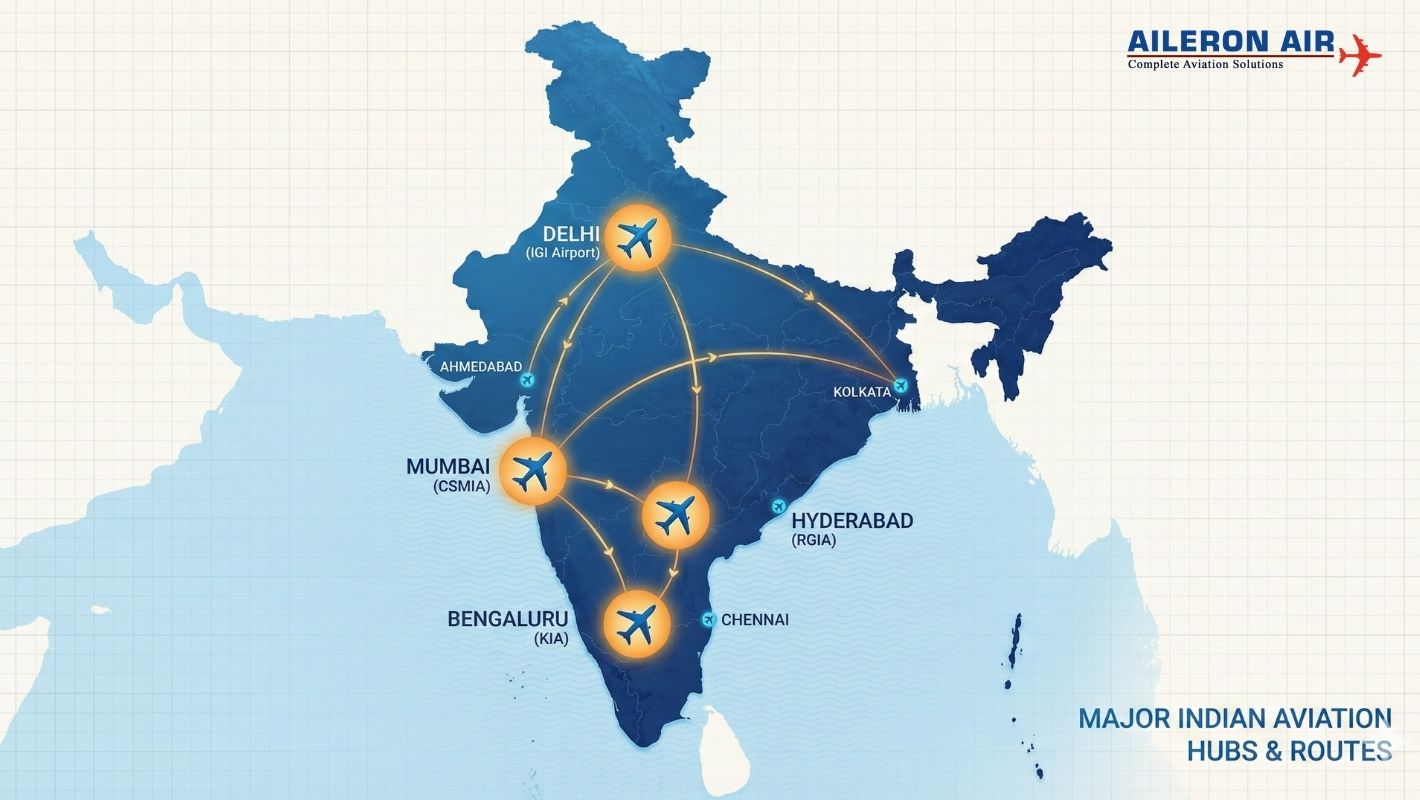
India’s major international gateways—such as Delhi (VIDP), Mumbai (VABB), Bengaluru and Hyderabad—handle most foreign business and charter traffic and are accustomed to working with international operators. These large hubs generally offer:
- More predictable slot and parking processes
- Stronger ground handling and supervisory support
- Experience with private, charter, and ambulance flights
By contrast, operations into defence stations or smaller civil fields may involve:
- Longer lead times
- Separate defence or state approvals
- Limited slots and infrastructure
Using major civil hubs as primary destinations, and treating more complex locations as second‑stage hops, often gives more flexibility when permits must be arranged quickly.
Key Takeaway: Expert Supervision Turns 72 Hours into 24
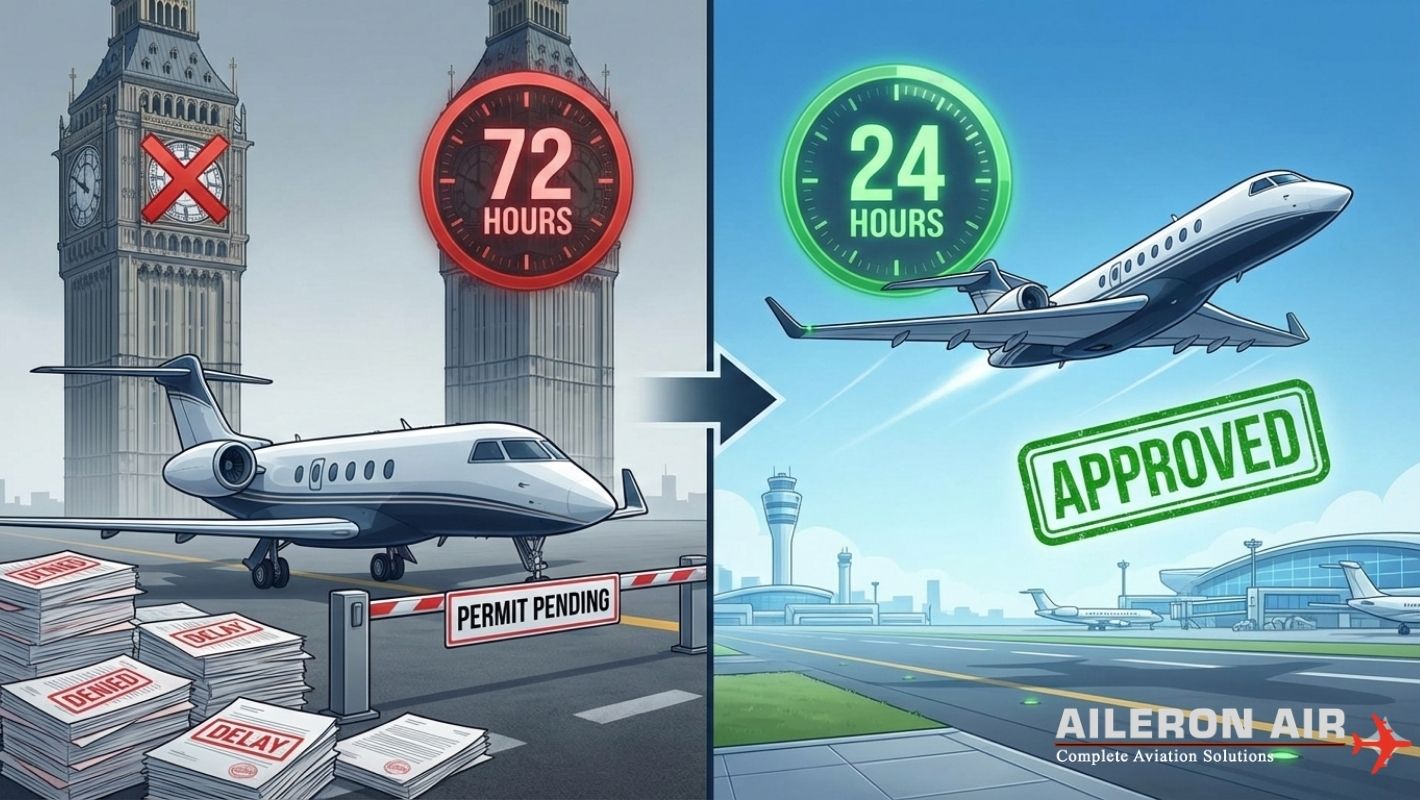
The official guideline for non‑scheduled landing permits into India is three working days, and operators should still plan around that where possible. But when missions are time‑critical, a structured approach can compress timelines significantly.
To realistically target under‑24‑hour approvals, you need:
- Flawless, complete documentation from the outset
- Submissions aligned with DGCA working windows
- Early coordination with the destination airport
- Clear classification of the flight (medical, humanitarian, diplomatic, charter, etc.)
- A professional Indian flight support partner with established DGCA, airport and defence contacts
Handled correctly, urgent permits become manageable rather than chaotic. Operators gain flexibility, reduce the risk of costly delays, and protect relationships with high‑value passengers and partners.
If you regularly operate into India—or plan to handle medical, VIP, or short‑notice missions—building a relationship with an experienced local supervision provider is one of the most effective operational risk controls you can put in place.


